New Occupational Therapy degree supports Northlanders to earn while they learn
A new work augmented learning pathway will enable Northlanders to study towards a Bachelor of Occupational Therapy while continuing to work in paid or volunteer roles.
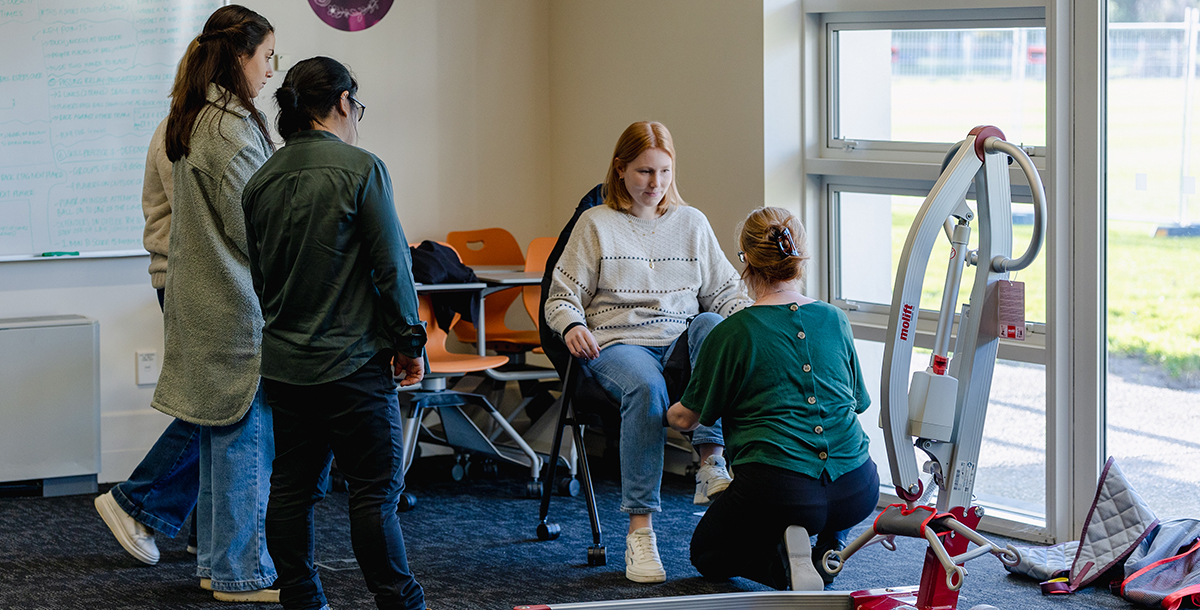
Northlanders working in health and wellbeing across Te TaiTokerau now have a new opportunity to train as occupational therapists without leaving their whānau, marae or communities.
From July, a new work augmented learning pathway will enable Northlanders to study towards a Bachelor of Occupational Therapy while continuing to work in paid or volunteer roles.
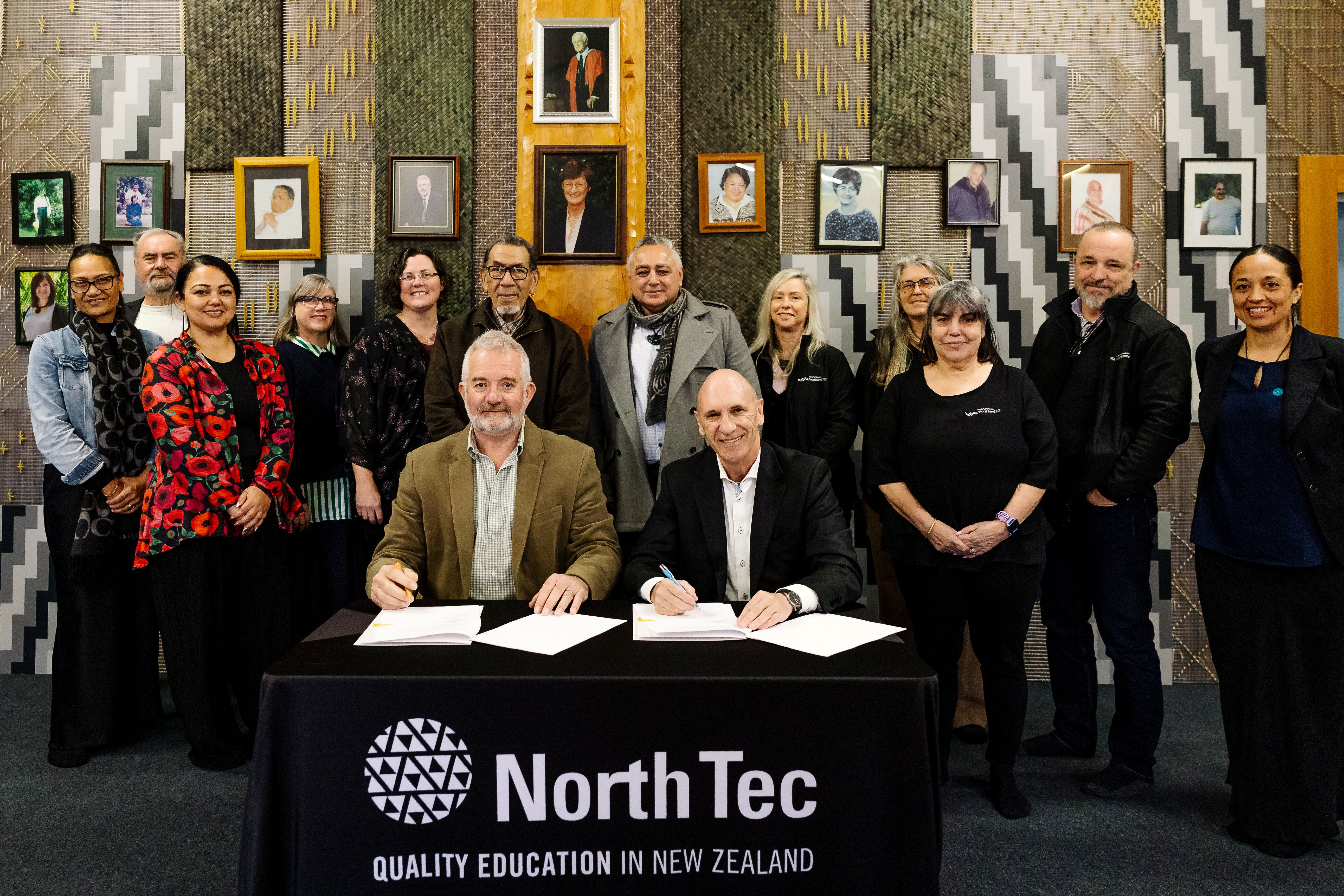
The development of this delivery model has been in partnership between NorthTec, Otago Polytechnic staff and local stakeholders including iwi representatives, Hauora service providers, prospective employers of students and local Occupational Therapists.
The programme will be delivered at NorthTec campuses in Whangārei, Ngāwhā and Kaitaia, with teaching provided by lecturers from Otago Polytechnic’s established Occupational Therapy programme.
Principal Lecturer Helen Jeffery says the pathway has been designed to support people already contributing to their communities, particularly those in rural and remote areas where access to tertiary education can be limited.
“Working with people is at the very heart of this highly regarded programme. The delivery model for the Bachelor of Occupational Therapy being offered in Te Tai Tokerau has been specifically designed for those already in an appropriate work role, be that paid or volunteer, allowing for a flexible approach to learning”, she says.
The Northland programme has been developed to support the specific needs and demographics of the community, including a goal of growing the number of qualified Māori and Pasifika occupational therapists in the region.
Students will remain grounded in their everyday mahi, combining one day a week on campus with online learning, noho marae experiences and practical fieldwork placements. This place-based learning approach enables the programme to reflect the realities of local whānau and hapori.
Learners must be working at least 15 hours a week in a health, wellbeing or social service setting, allowing them to earn an income while developing skills that can be applied immediately in their workplaces.
“This work-augmented model uses work as a context for deepening academic learning, recognising and drawing on the benefits of learning in context”, says Helen Jeffery.
“We’re aiming to support Māori to grow as health professionals while staying connected to the people and places they serve. Equally, this opportunity will be of interest for any others who are unable to leave the region to study in a campus elsewhere in the country.”
Occupational therapists play a vital role across hospitals, schools and community services, supporting people to participate in communities with independence, purpose and dignity following injury, illness, disability, or other barriers to engagement.
By growing a locally trained workforce, the programme aims to strengthen Māori health outcomes and build long term capability within TeTai Tokerau.
Graduates will complete a three year, internationally recognised degree and will be eligible to apply for registration as occupational therapists in Aotearoa New Zealand.
Enrolments are open via NorthTec or Otago Polytechnic and further information about the study options available is available on their websites.